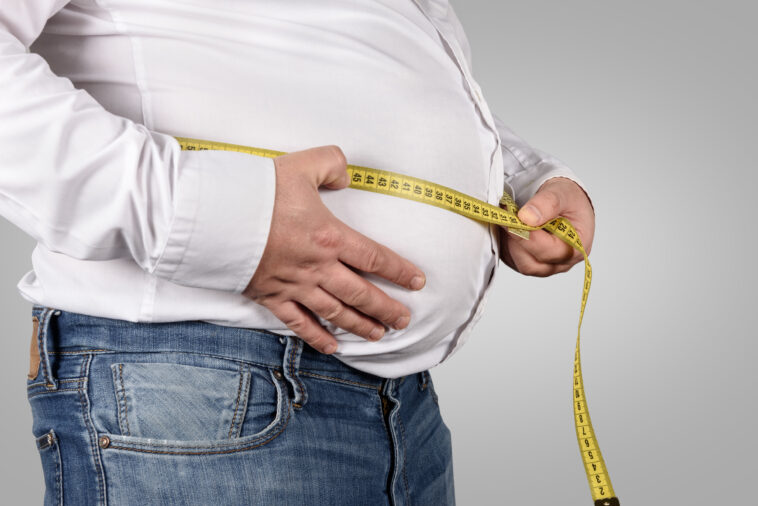
Do You Think You Know Abdominal Obesity Well Enough?
Test Your Knowledge With This True or False Quiz!
Q1: Abdominal fat consists only of the fat that is just below your skin, also known as subcutaneous fat.
A1: False
Abdominal fat comes in two different forms! While one of it is subcutaneous fat, the other form is visceral fat that is located around your internal organs. Visceral fat forms when you consume more calories than you use in a day.
Q2: Central obesity refers to abdominal obesity, while truncal obesity refers to obesity around your hips or thighs.
A2: False
Abdominal obesity is known as both central obesity and truncal obesity. It is a condition where excessive abdominal fat around the stomach and abdomen has built up to the extent that it is likely to have a negative impact on your health.
Q3: A waist circumference of above 80cm for Asian women and above 90cm for men suggests abdominal obesity.
A3: True
The numbers are actually lower for Asians due to a lower threshold for risk factors — a waist circumference of above 80cm (31.5 inches) for Asian women and above 90cm (35.5 inches) for Asian men will imply abdominal obesity.
Apart from your waist circumference, your waist-to hip ratio (WHR) is also considered a good way to measure abdominal fat and can be measured by dividing your waist circumference by your hip circumference. Regardless of race, a WHR of > 0.9 in men and a WHR of > 0.85 in women indicate an increased risk for cardiovascular diseases.
You can measure your waist circumference using a measuring tape. This is done close to the skin and ensuring that the tape is approximately around the midpoint between the lower ribs (lowest margin of the last rib) and the top of hip bone; it is best to take the measurement during exhalation.
Q4: Abdominal fat only affects you if you are overweight.
A4: False
Abdominal fat affects everyone even when one is not overweight and has a healthy BMI. The visceral fat is a worse culprit as compared to subcutaneous fat as it is linked to a higher risk of diseases and cancers.
Q5: Having abdominal obesity puts you at risk of Type 2 diabetes, cardiovascular disease, dementia, and certain cancers.
A5: True
As part of your abdominal fat — visceral fat — is metabolically active, it releases fatty acids, inflammatory agents and hormones that lead to higher low-density lipoprotein (LDL) cholesterol, blood glucose and blood pressure. This means that those with abdominal obesity are also at a higher risk of Type 2 diabetes, cardiovascular disease, dementia, certain cancers.
Hence, make sure to take the effort to reduce your waistline so that you can reduce your health risks too!
Q6: Abdominal fat is formed only when one has a poor diet.
A6: False
Similar to being overweight or obese in general, abdominal obesity is caused by fatty deposits due to overconsumption of calories and lack of physical activity. However, other causes such as stress can also play a part in storing excess visceral fat. When you are stressed, your body releases a hormone called cortisol, which increases how much visceral fat your body stores.
Often, abdominal obesity results in an “apple-shaped” body type, which is more common among men. Women typically accumulate fat around the hips and thighs to develop a “pear shaped” body type (although they can certainly develop “apple-shaped” body types as well).
Q7: Eating healthily, exercising and taking care of my mental health are all important when it comes to reducing abdominal obesity.
A7: True
Having a well-balanced, healthier diet is just as important as exercise. Reduce or limit your intake of sugar, saturated fat and salt whenever possible, and choose healthier options such as wholegrains. Remember not to miss out on your fruits and vegetables too!
For a clearer idea of how to have a well-balanced diet, follow My Healthy Plate’s guide. It is also important to practice portion control to prevent over-eating and drink lots of plain water.
However, just as important as exercise and a well-balanced diet is your mental health. Did you know that stress can contribute to a growing waistline too? Get enough sleep and handle stress well through meditating or spending your time with friends and family to relax.
Q8: At least 150-300 minutes of aerobic exercise and 2 days of muscle strengthening exercise weekly is recommended for adults to reduce abdominal obesity.
A8: True
Exercise offers substantial health benefits beyond just reducing abdominal obesity! For adults, try to aim for at least 150 to 300 minutes of moderate-intensity aerobic activity per week. Doing sufficient aerobic activity can reduce your risk of cardiovascular diseases. Be sure to include at least 2 days of muscle-strengthening exercises as these also benefit your bone and muscle health as well as contribute to better balance.
Remember that it’s important to watch your waistline even if your BMI is under control. To help you remain physically active, you can opt to join the Health Promotion Board’s MOVE IT physical activity programmes or other physical programmes. The Eat, Drink, Shop Healthy Challenge is also available to help you motivate yourself to maintain a healthy diet!