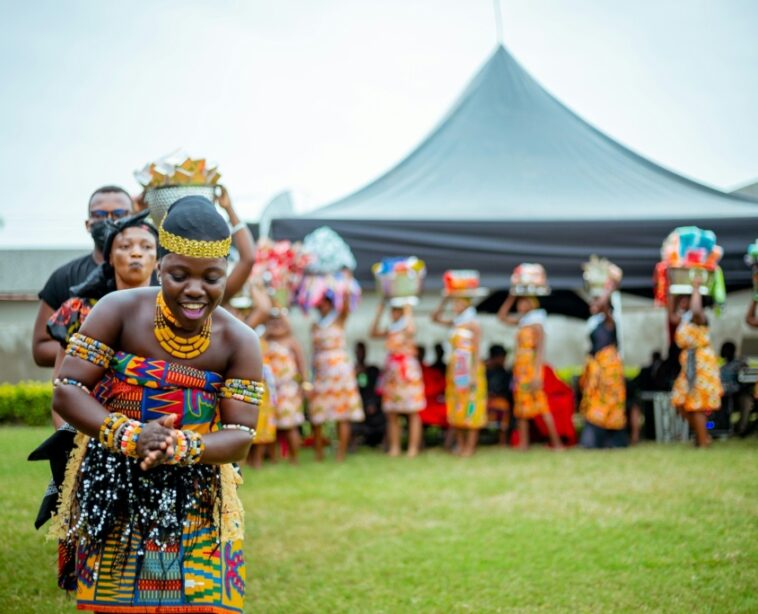
Cultural heritage is the legacy of physical artifacts, traditions, and practices passed down through generations within a community.
It encompasses both tangible assets (like artworks, historic buildings, and monuments) and intangible aspects (like folklore, languages, music, and rituals) that provide people with a sense of identity and belonging.
Nigeria boasts a vibrant cultural heritage that includes several elements inscribed by UNESCO on the Representative List of the Intangible Cultural Heritage of Humanity.
Notable examples in the country include:
The Ijele Masquerade: The largest masquerade in Africa, standing up to 15 feet tall, celebrated as the “king of all masquerades” by the Igbo people.
The Argungu International Fishing and Culture Festival: A historic festival featuring traditional fishing and cultural events in Kebbi State.
The Ifa Divination System: An ancient system of wisdom and religious practice central to Yoruba cosmology.
Understanding and protecting this legacy is vital, as it connects past histories with future generations.
To explore the broader academic concepts and definitions, you can review the detailed guidelines provided by UNESCO.
Would you like to explore how to preserve local cultural artifacts, or are you interested in the historical background of specific Nigerian traditions?